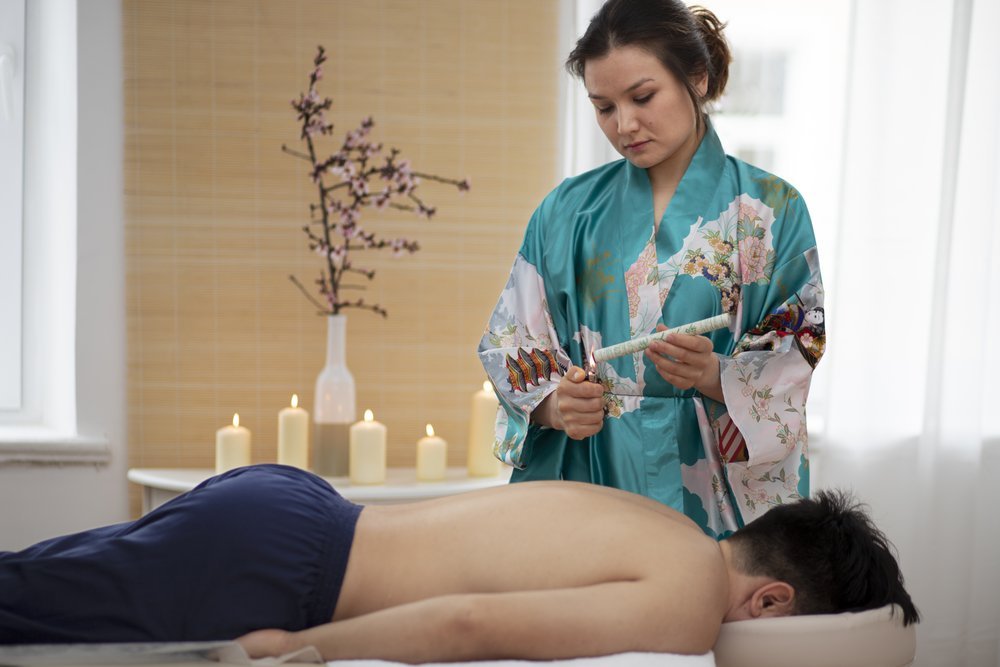
Ayurvedic Knee Pain & Joint Care
Personalised Support for Pain, Stiffness & Mobility
When Stairs, Walking or Standing Start to Hurt
Knee pain can gradually change everyday life.
You may first notice discomfort while climbing stairs, getting up from a chair, walking longer distances or after sitting for a long time.
Sometimes the cause is osteoarthritis. In other cases, pain may be related to inflammation, an old injury, gout, muscle weakness or even a problem originating from the spine.
At Pathyasathi Ayurveda, knee pain is assessed individually before any therapy is recommended.
The Ayurvedic Perspective on Knee Pain
Classical Ayurveda describes joint pain and swelling within the framework of Sandhivata and related Dosha imbalances.
At Pathyasathi, traditional Ayurvedic assessment is considered together with your symptoms, mobility, medical history and available investigations such as X-rays or MRI reports.
Common Reasons for Knee Pain
People commonly consult us for:
- Osteoarthritis
- Knee stiffness
- Rheumatoid or inflammatory joint symptoms
- Old ligament or sports injuries
- Previous fractures
- Gout-related pain
- Weight-related strain on the knee
- Muscle weakness around the knee
- Pain referred from the lower back or nerves
Because these conditions require different approaches, correct assessment is important before beginning therapy.
A Detailed First Consultation
Your physician may ask about:
- When the pain began
- Which movements make it worse
- Morning stiffness or swelling
- Walking and stair-climbing difficulty
- Previous injury or surgery
- Weight and activity level
- Current medicines
- Existing X-rays, MRI or blood tests
- Digestion, sleep and lifestyle from an Ayurvedic perspective
Ayurvedic Therapies That May Be Considered
There is no single therapy package suitable for every knee problem.
The physician may select one or more therapies depending on the type and stage of the condition.
Janu Basti
A traditional Ayurvedic procedure in which warm medicated oil is retained over the knee for a prescribed period.
Abhyanga
Medicated oil application may be used over the knee and surrounding muscles as part of an individualised treatment programme.
Swedana
Controlled herbal steam or heat therapy may be used after oil application in selected patients.
Elakizhi
Warm herbal leaf bundles may be used in selected musculoskeletal care programmes.
Pizhichil
A traditional Kerala Ayurvedic therapy involving a controlled stream of warm medicated oil.
Basti
A classical Panchakarma procedure used in Ayurveda for selected Vata-related conditions and only when advised by the physician.
Ayurvedic Medicines
Internal Ayurvedic medicines may also be prescribed according to individual assessment.
Medicines should be taken only under professional guidance.
Movement, Weight & Daily Habits Matter
Knee care is not limited to oil therapy.
Your treatment plan may also include guidance on:
- Weight management; appropriate walking and activity
- Strengthening the muscles around the knee
- Posture and movement habits
- Diet and meal timing
- Sleep and recovery
The aim is to support mobility and reduce unnecessary strain on the joint while respecting the individual’s age and medical condition.
Residential Knee & Joint Care at Santiniketan
For selected chronic cases, a physician may recommend a structured residential programme.
Depending on the individual plan, residential care may include:
- Doctor-guided Ayurvedic therapies
- Fresh Sattvic food
- Gentle therapeutic Yoga
- Rest and recovery
- Lifestyle guidance
- Ayurvedic medicines when prescribed
What About Knee Replacement?
This section should be very clear and balanced.
Not every person with knee pain needs surgery. At the same time, advanced structural damage may require orthopaedic or surgical treatment.
If knee replacement has already been advised, you are welcome to seek an Ayurvedic consultation to understand whether supportive conservative care is appropriate for your stage. However, Ayurveda should not be presented as a guaranteed alternative to necessary surgery.
When Prompt Medical Evaluation Is Important
Seek appropriate medical assessment if knee pain is accompanied by:
- Sudden severe swelling
- Redness and fever
- Inability to bear weight
- Major recent trauma
- Rapidly worsening deformity or weakness
- A locked knee
Ayurvedic treatment should not delay urgent orthopaedic evaluation when required.
Frequently Asked Questions
Osteoarthritis varies greatly by stage and structural damage. No responsible clinic should promise a complete cure. Ayurvedic care may be considered as part of an individualised programme aimed at supporting comfort, mobility and overall joint wellbeing.
Response varies from person to person. I would remove the current statement that some patients improve within the first week because website visitors may interpret it as an expected outcome.
Most oil-based and heat-based therapies are generally intended to be comfortable, but suitability and tolerance vary. Inform the therapist immediately if you experience discomfort.
Yes. Do not stop medicines prescribed by another physician without their advice. The existing draft also advises patients to continue their current medicines and inform the Pathyasathi doctor.
Yes. Bring your X-rays, MRI and orthopaedic advice. The physician can assess whether Ayurvedic supportive care is appropriate, while recognising when surgical treatment remains necessary.
No. The same department also assesses back pain, cervical and lumbar spondylosis, frozen shoulder, gout and other joint-related concerns, as stated in the uploaded draft.
The source says video follow-up consultations may be available, although physical therapies require attendance at the centre.
Consult Pathyasathi Ayurveda
📞 74777 97117
Tuesday Closed