Ayurvedic PCOS & PCOD Care
Personalised Support for Irregular Periods, Metabolic Health & Women’s Wellness
When Your Cycle Stops Feeling Predictable
PCOS can affect much more than menstrual timing.
Women may experience irregular or missed periods, weight changes, acne, hair fall, unwanted hair growth, low energy, sleep disturbances or difficulty with ovulation.
At Pathyasathi Ayurveda, PCOS care begins with understanding the complete picture rather than focusing only on an ultrasound finding.
How Ayurveda Looks at PCOS
Modern medicine describes PCOS as a hormonal and metabolic condition that can vary significantly from one woman to another.
Ayurveda does not use the modern diagnostic term “PCOS,” but traditionally considers patterns involving Kapha, Medas, Vata and Agni when assessing menstrual and metabolic imbalance. Pathyasathi PCOS
At Pathyasathi, these Ayurvedic concepts are considered alongside your current symptoms, reports and ongoing medical treatment.
Symptoms We Commonly Assess
Women may consult us for:
- Irregular or missed periods
- Heavy or prolonged cycles
- Weight-management concerns
- Acne and oily skin
- Hair fall or thinning
- Excess facial/body hair
- Darkened skin around the neck or underarms
- Difficulty with ovulation or conception
- Low energy
- Poor sleep
- Stress and mood-related concerns
These symptoms can have several causes, so proper medical evaluation is important before assuming they are all due to PCOS.
A Detailed First Consultation
PCOS does not look the same in every woman.
Your consultation may include discussion of:
- Cycle history
- Bleeding pattern and cramps
- Weight changes
- Digestion and appetite
- Sleep
- Stress
- Family history
- Daily routine and food habits
- Current medicines
- Previous ultrasound and hormone reports
Our Approach: Medicines, Food, Movement & Lifestyle
The programme is personalised and may combine several elements.
Ayurvedic Medicines
Classical Ayurvedic formulations may be prescribed according to individual assessment.
The source mentions herbs such as Shatavari, Ashoka and Guggulu, but these should not be presented as a standard PCOS prescription. Pathyasathi PCOS
Food & Nutrition
Meal timing, excessive refined sugar, highly processed food and irregular eating patterns may be discussed as part of lifestyle management.
Advice should be individualised rather than applying the same restrictive diet to everyone.
Movement
Regular physical activity can be an important part of metabolic and menstrual wellness.
Depending on the individual, this may include:
Walking • Gentle Yoga • Mobility exercises • Pranayama
Stress & Sleep
Sleep deprivation and chronic stress can affect overall wellbeing and may influence lifestyle habits and hormonal health.
For that reason, relaxation, breathing and sleep routine may also form part of the plan.
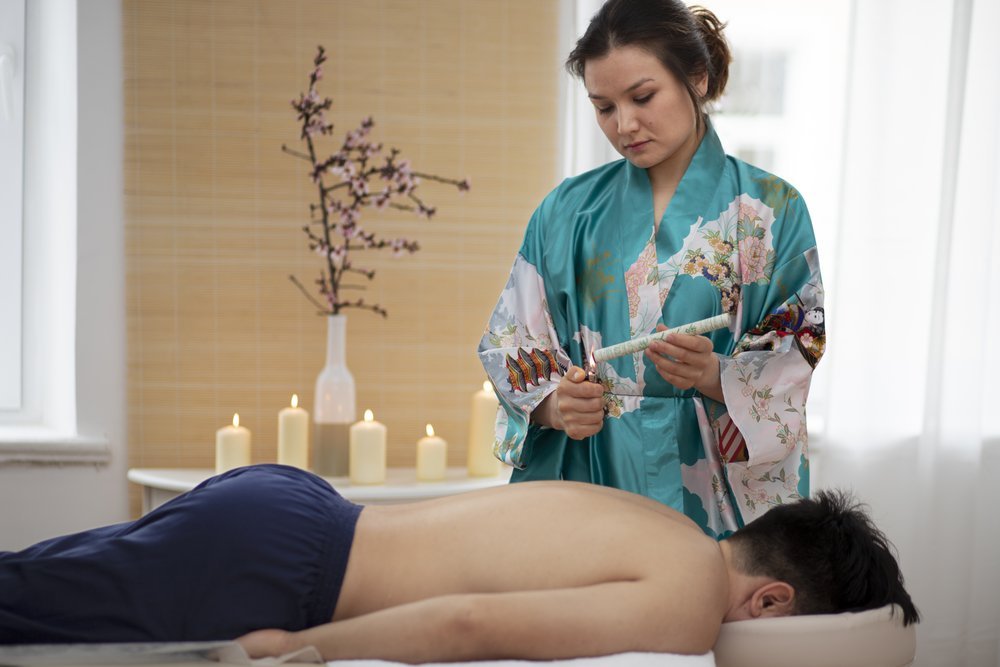
Panchakarma & Selected Ayurvedic Therapies
Panchakarma is not automatically required for every woman with PCOS.
Where the physician considers it appropriate, selected Ayurvedic procedures may be included as part of a broader treatment plan.
Specialised Ayurvedic procedures are considered only after physician assessment and according to individual suitability.
Any procedure involving the reproductive tract should be performed only under qualified medical supervision and appropriate clinical protocols.
Residential PCOS Wellness at Santiniketan
Some women may benefit from a structured residential programme when the physician recommends daily therapy, regular meals, rest and supervised lifestyle modification.
A residential stay may include:
- Doctor-guided therapies
- Fresh Sattvic meals
- Yoga and Pranayama
- Rest and relaxation
- Lifestyle guidance
- Ayurvedic medicines when prescribed
PCOS & Fertility
PCOS can be associated with irregular or absent ovulation and may affect fertility in some women.
However, fertility depends on many factors beyond PCOS alone.
At Pathyasathi Ayurveda, reproductive wellness support may be considered as part of a broader plan, but:
We Do Not Promise Pregnancy
The existing draft correctly states that pregnancy should never be guaranteed. Pathyasathi PCOS
If you are already under the care of a gynaecologist or fertility specialist, we recommend continuing that care and informing the Pathyasathi physician about all medicines, investigations and treatment plans.
Continue Your Existing Medical Care
Do not stop hormonal, thyroid, diabetes, fertility or other medicines without advice from the doctor who prescribed them.
Frequently Asked Questions
PCOS is a complex hormonal and metabolic condition, and no responsible clinic should promise a complete cure. Ayurvedic care may be used as part of an individualised plan focused on diet, lifestyle, menstrual wellbeing and overall health.
Some women may notice improvement in cycle regularity with appropriate care, but the response varies according to the individual and underlying factors. I would replace the current broad statement that “most patients see improvement” with this more cautious wording. Pathyasathi PCOS
No. Care can begin at your current weight. Where appropriate, gradual weight management may form part of the overall plan.
Yes, menstrual irregularity in adolescents and young adults can be assessed. However, cycle variation can have many causes, so proper evaluation is important before labelling it PCOS.
In many cases, Ayurvedic care may be coordinated alongside existing treatment. Always share your current medicines and reports with the Ayurveda physician.
No. Panchakarma or specialised procedures are recommended only when clinically appropriate.
Consult Pathyasathi Ayurveda
📞 74777 97117
Tuesday Closed
📞 74777 97115